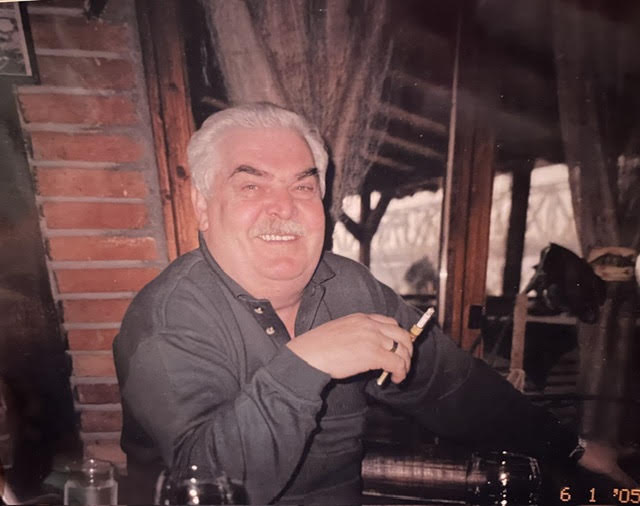
Momir A. Kovačević (Srđevići near Gacko, May 1, 1946 – Belgrade, June 1, 2016) was a Serbian and Yugoslav businessman, entrepreneur, and philanthropist whose career was primarily associated with the food retail and wholesale trade in Belgrade.
He entered private entrepreneurship in the late 1970s, at a time when privately owned food stores were still extremely rare in socialist Yugoslavia. Over more than three decades of entrepreneurial activity, his business interests extended across retail, wholesale, food production, and hospitality.

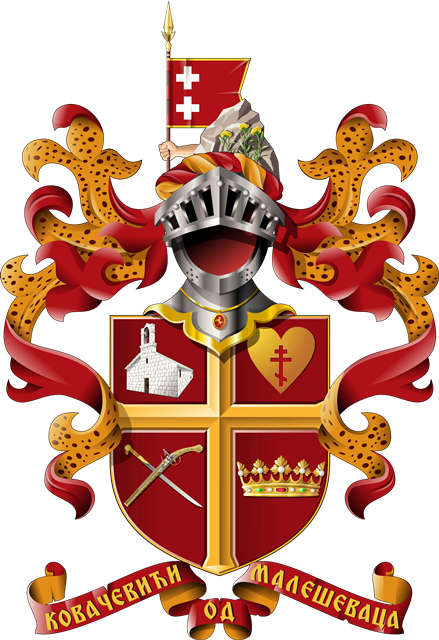
Momir A. Kovačević was born on May 1, 1946, in Srđevići near Gacko, in what was then Yugoslavia. He came from the Herzegovinian Kovačević family, originally from the Maleševci tribe.
He completed primary school in Gacko and secondary school at the School of Economics in Nevesinje, before moving to Belgrade, where he graduated from the Higher School of Economics and Commerce.
He began his professional career in 1969 at the large Belgrade trading company Tržnica, which operated in the area of the Port of Belgrade. During the following decade, he worked for several socially owned companies engaged in the wholesale trade of food products.
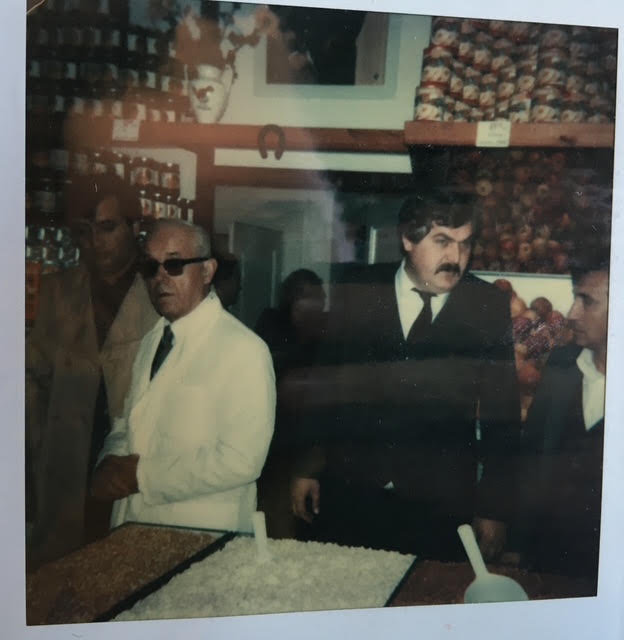
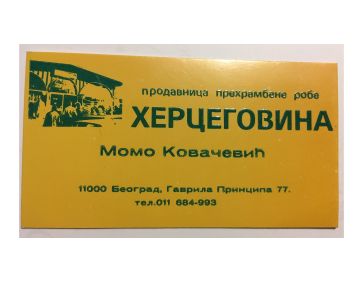
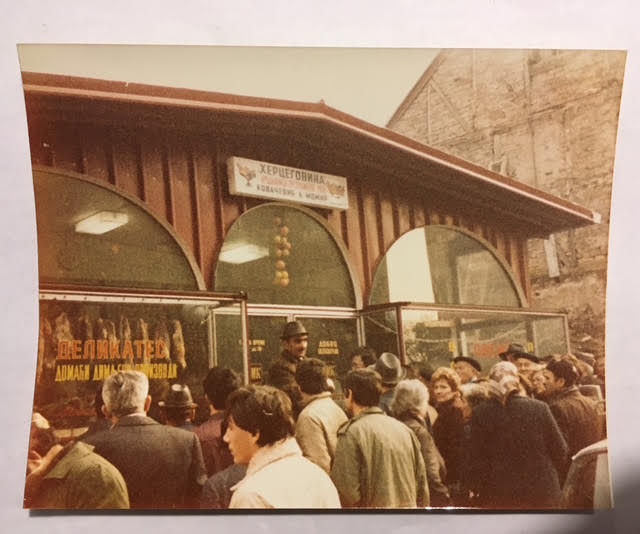
In 1979, Kovačević opened STR “Hercegovina” in Belgrade, at 77 Gavrila Principa Street, on the corner with Balkanska Street. It was one of the first privately owned food stores in Belgrade during the period of the Socialist Federal Republic of Yugoslavia.
During its first two years of operation, the store was subjected to more than 400 inspections.
The store opened at a time when Yugoslavia operated under a socialist economic system, and privately owned food shops were extremely uncommon, while the retail sector was dominated by socially owned enterprises.
“Hercegovina” was a pioneer of private entrepreneurship in Belgrade's food retail sector of the period.
At a time when certain products were frequently in short supply in state and socially owned stores, “Hercegovina” became known for its reliable supply and wide range of products, which contributed to its significant volume of business.
In the early 1980s, Momir Kovačević opened another store under the name “Hercegovina”, this time in the Belgrade suburb of Umka.
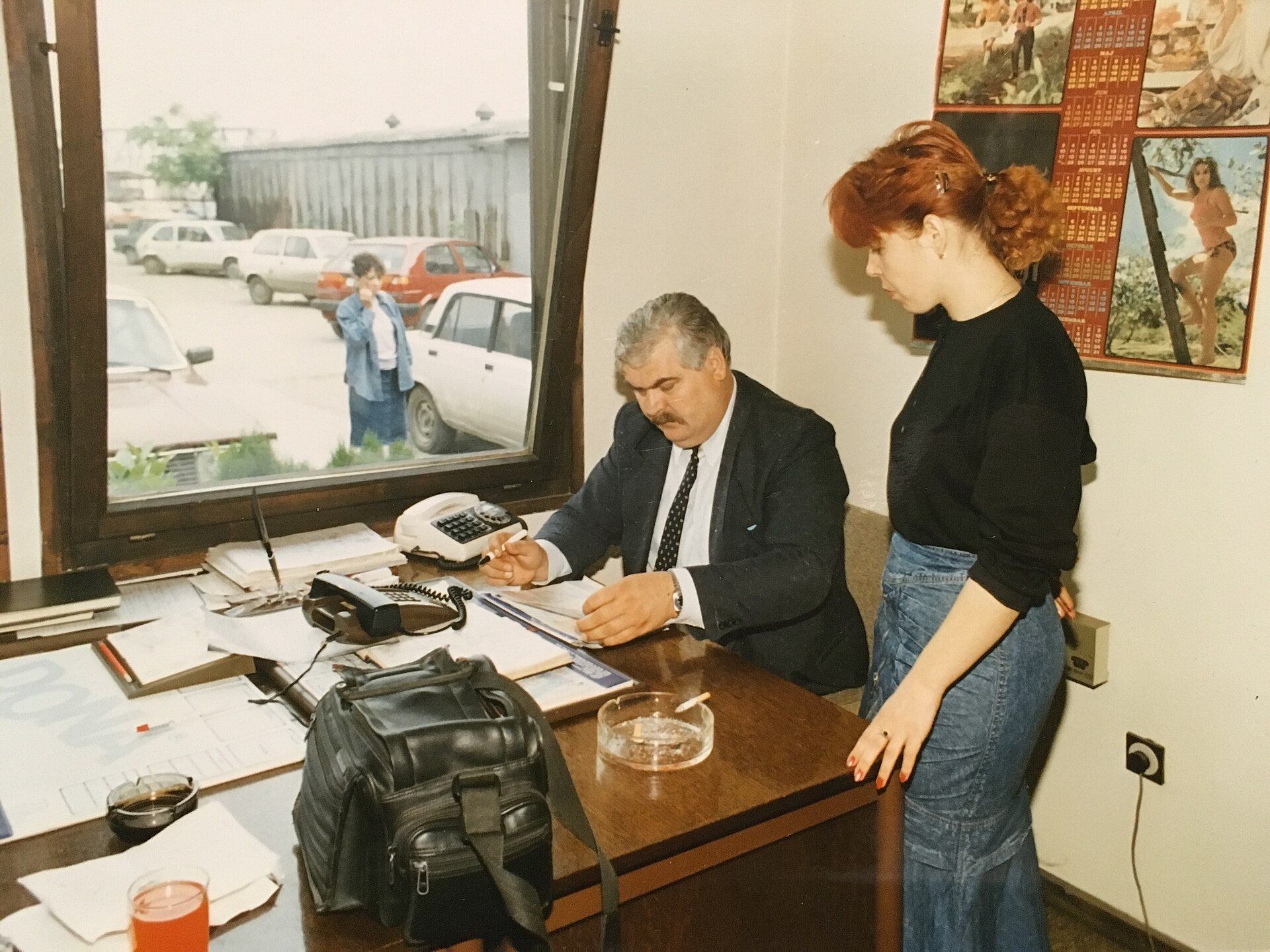
Alongside the development of his retail business, during the 1980s Kovačević also expanded into the wholesale food trade through his company “Biokomex.” The company was based at Viline Vode bb, Port of Belgrade.
During this period, he worked with some of the largest Yugoslav producers and major business systems in the food industry and trade, including “Agrokomerc,” “Centropoizvod,” and the Belgrade Agricultural Combine (PKB).
He remained active in wholesale until 1996, when he sold this part of the business and shifted his focus toward retail and other activities.
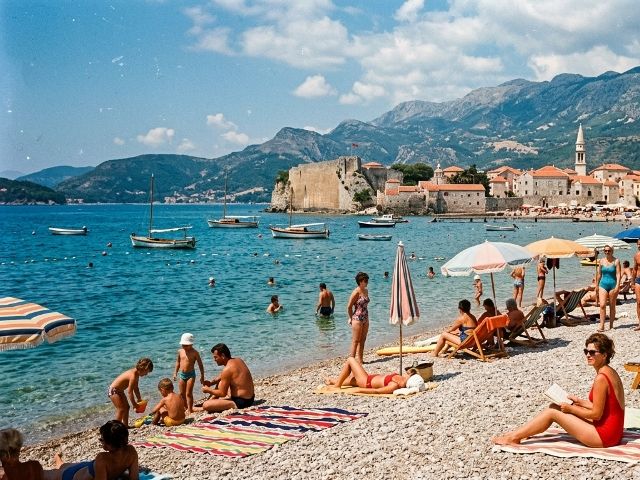
In 1988, together with business partners, Kovačević constructed a residential building with apartments on the Montenegrin coast.
In 1989, Kovačević opened the MMAJK “Zlatno Zrno” supermarket at Autokomanda in Belgrade.
The supermarket soon began operating 24 hours a day, seven days a week, which was highly unusual for Belgrade's retail sector at the time.
During the 1990s, “Zlatno Zrno” became known as one of the best-stocked supermarkets in Belgrade. Its customers included members of the diplomatic corps and employees of diplomatic missions, as well as prominent figures from public life, business, culture, entertainment and sport, along with members of the royal family and court.
In 1991, Red Star Belgrade became world club champions, and Autokomanda emerged as one of the city's major gathering points for football fans.
That same year, Kovačević, together with a group of entrepreneurs, began construction of a business center at Autokomanda.
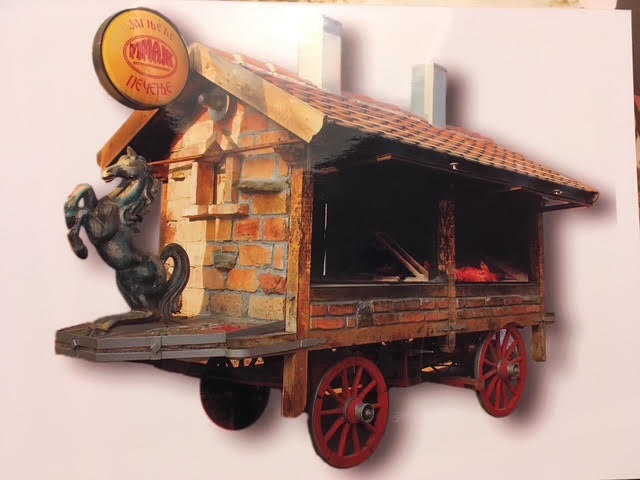
As part of the business center, in 1996 he opened the MMAJK butcher shop, introducing a service that was new to the Belgrade market at the time.
Customers could select and purchase fresh meat at the butcher shop, after which the meat would be prepared and roasted on the premises, ready for them to take home.
“Buy it fresh, take it home roasted...”
The telephone number 011 3691 088 seemed never to stop ringing.
This type of service, which was innovative on the domestic market at the time, later became widely adopted and is now a familiar practice in many butcher shops.
In the years that followed, Kovačević continued to expand his business network.
Over the course of his entrepreneurial career, his business activities included a total of five retail stores, three bakeries, three butcher shops, one hospitality establishment, and two wholesale companies, through which hundreds of employees passed over the decades.
At Autokomanda, he also operated a hospitality venue — a traditional restaurant known as “Klub prijatelja MMAJK” (“MMAJK Friends' Club”).
During the wars in the former Yugoslavia in the 1990s, Kovačević helped dozens of families who had fled war-affected areas and arrived in Belgrade, providing them with various forms of assistance and support.
Kovačević's entrepreneurial career spanned more than three decades and unfolded under several profoundly different economic and social circumstances — from the late 1970s and the beginnings of private entrepreneurship within the socialist system, through the 1980s and the operation of a business on the unified Yugoslav market, to the 1990s, marked by the breakup of the country, wars and hyperinflation, and finally the early 2000s, when Serbia entered a period of economic transition and a new business environment began to emerge.
Through his business ventures, he contributed to the development of forms of private entrepreneurship that would later become widespread.
Three periods in particular stand out in his career:
• 1979, when he opened a private food store in Belgrade at a time when the economy was still based on the socialist system;
• 1989, when MMAJK “Zlatno Zrno” began operating continuously, 24 hours a day, seven days a week;
• 1996, when he introduced a service at the MMAJK butcher shop in which fresh meat purchased in the shop could be prepared and roasted on the premises — a business model that later became widely adopted.
He was married to Milica Kovačević (1950–1996), with whom he had two sons, Aleksandar and Jovan, both of whom later pursued entrepreneurial careers in different industries.
In 2011, he retired from active business operations.
Momir A. Kovačević passed away on June 1, 2016, in Belgrade, at the age of 70.